

The second biggest city in Bavaria, the 14th largest city in Germany. Population within city limits about 530,000, outside about 2 million.
Today was extremely interesting and more than a little confronting. As I find most of the WWII history sites are.
Nuremberg held great significance during the Nazi Germany era. Due to its position in the centre of Germany the Nazi Party chose the city to be the meeting place of the annual Nazi party convention and rally.
The rallies were held annually from 1933-1938 at ZeppelinField where we commenced our tour.
Bigger than 12 football fields it had enough space for 200,000 people.
I am sure many people have seen the pictures of Hitler standing in front of these mass crowds in this very spot. I will not post that here but I will post pictures of the ZeppelinField both from below and from above.
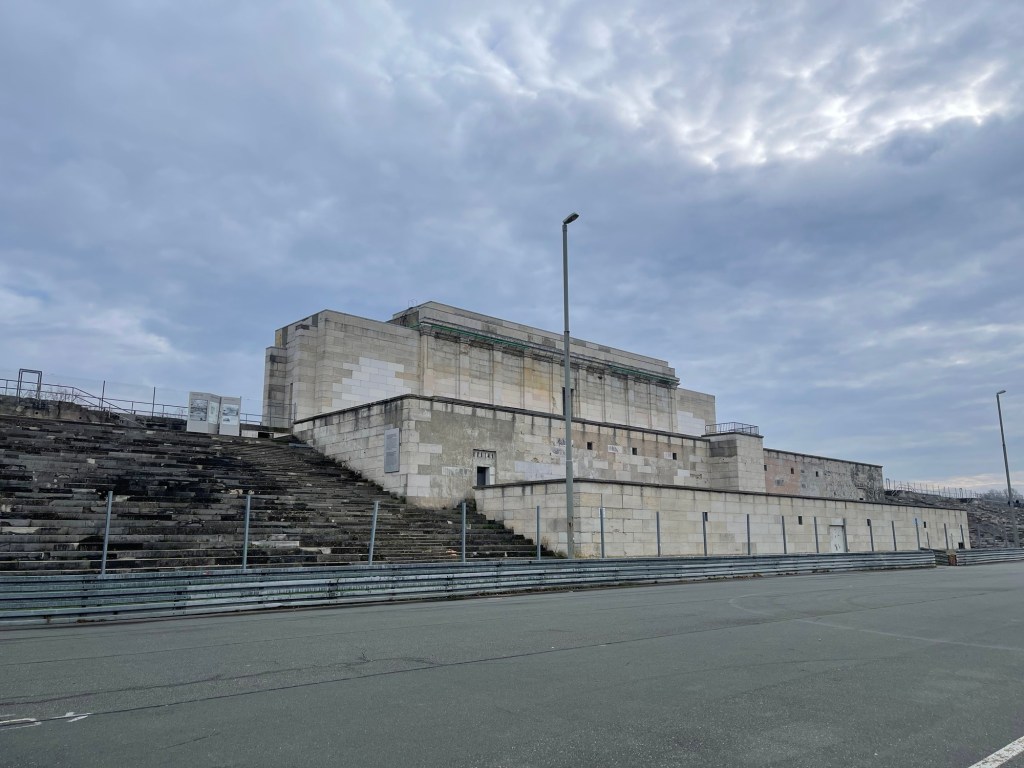
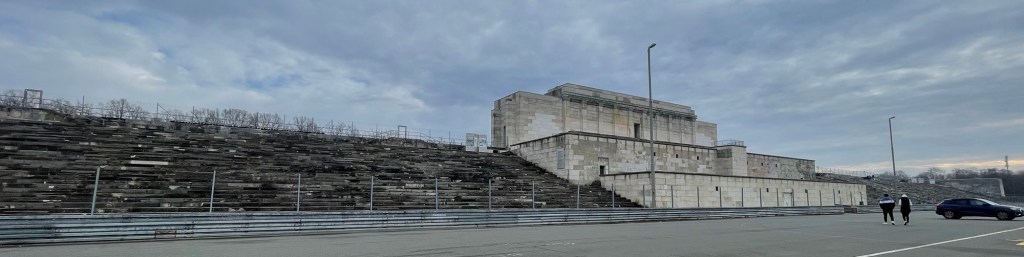

US Army soldiers were stationed in Nuremberg from 1945 to 1994. ZeppelinField was renamed Soldiers Field and was used for military parades, shows, sports events and German-American fun fairs.
To our dismay some of our travel group stood on the podium for photo opportunities, raising their hands to the imaginary crowd. MoD wouldn’t stand on it. Actually said he wanted to pee on it. I agreed. A bit like Jacinda Adhern during the terrorist attacks in Christchurch in 2019, we would not give oxygen to this horrendous excuse for a human being who caused so much pain and suffering.
From the Zeppelin Field we could see the German ‘Colosseum’, our next stop.

Our thoughts on not standing on the podium were reflected in the narrative. Ann and Gary later told me it was a crime to stand there for photos and you could be fined heavily for any indication of the Nazi salute. Apparently the Polizei have been known to turn up in under five minutes.
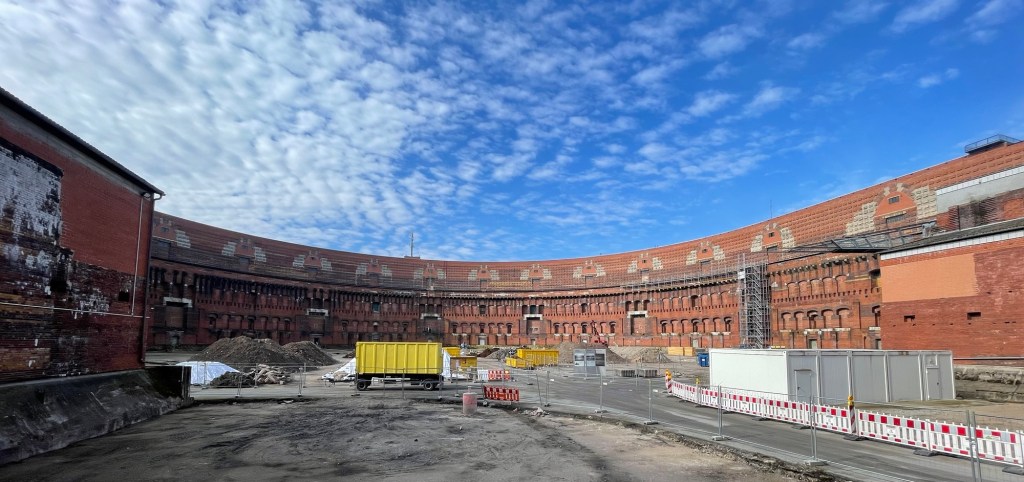
The German Concert Hall, known as the Colosseum was instructed by Hitler and built extremely large. To make you feel small in comparison. His plan was to conduct the annual rally there. Even though this was one week per year he insisted that it stand empty for the rest of the time. If it had been completed it would have been the largest interior space in Germany. He had planned to use glass to reflect and illuminate him where he stood – he would be bathed in angelic light. The promise to the German people was a spend of 80million euro but by 1939, 600million euro had already been spent. Hitler privately told Finance Ministers that the conquered nations would pay for this.
The Concert Hall is now being turned into an Opera House at 200 million euros. Delays are already taking place, including asbestos removal so the general consensus is it will cost more.
Of course.
The Nazis had plans for building in Berlin next but never got started. Fortunately.
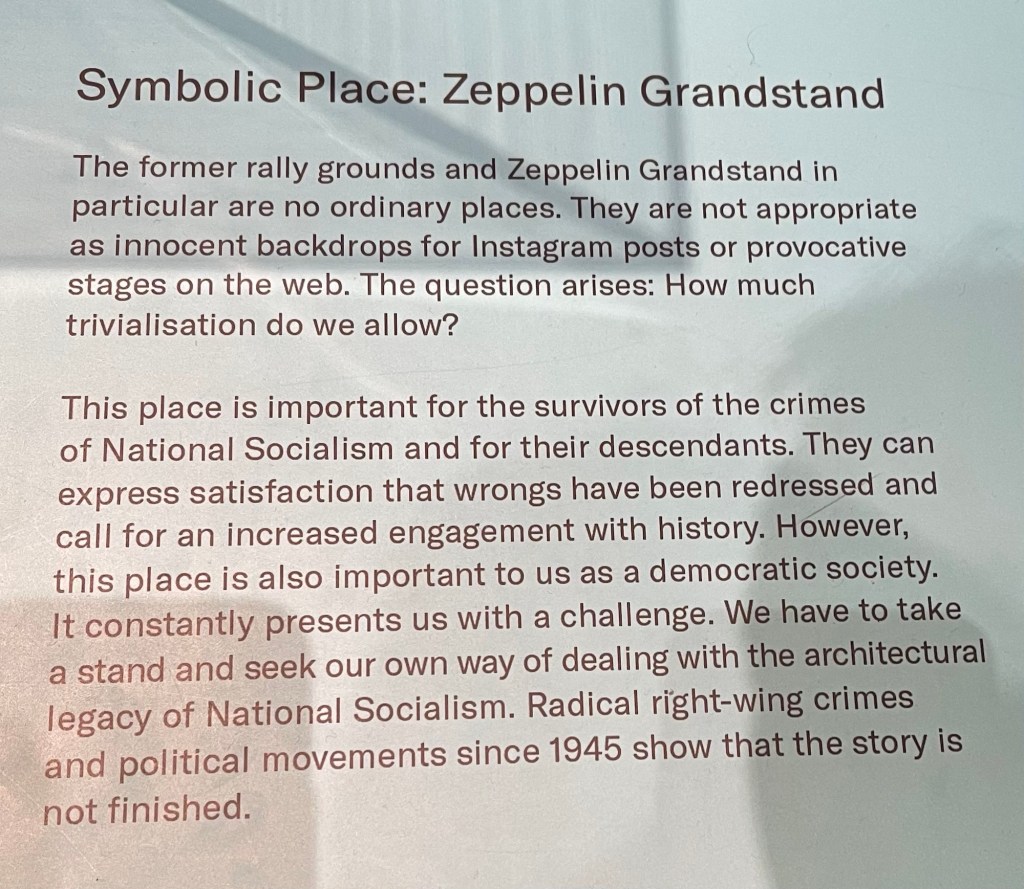
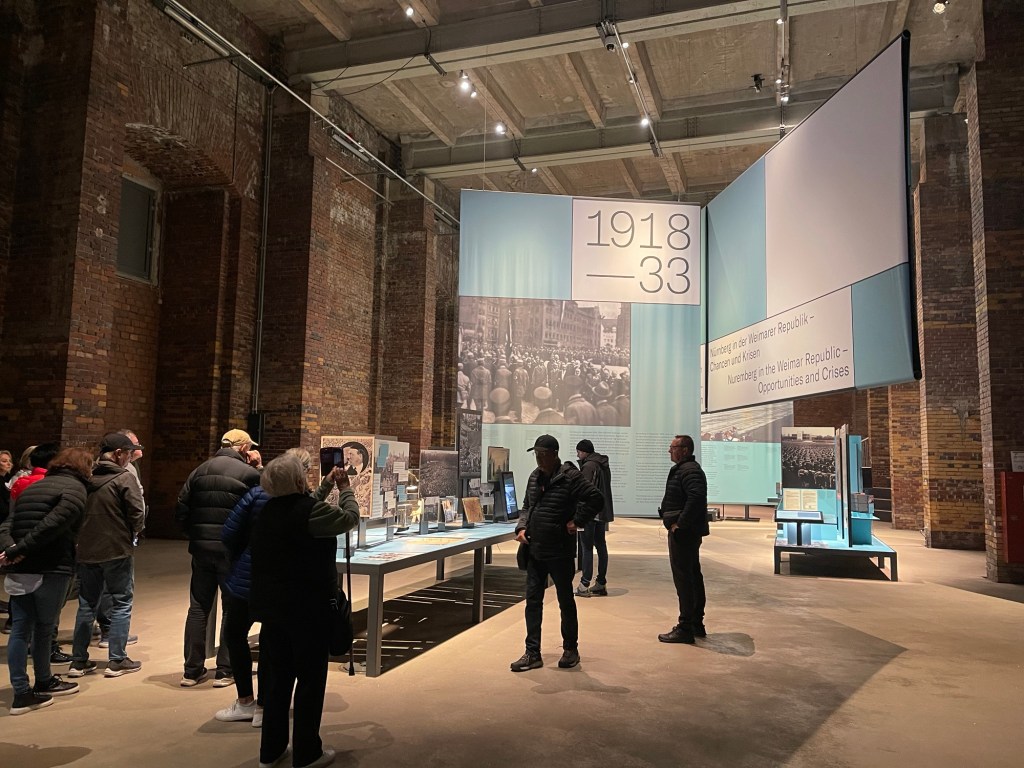
We had about an hour inside the museum here. This is some of the narrative which resonated with me. Particularly the idea of preserving these sites. What a conflict it must have been for the people of this city. On the one hand wanting to remove the buildings which were constant reminders, on the other hand wanting to preserve the history so that people would learn.
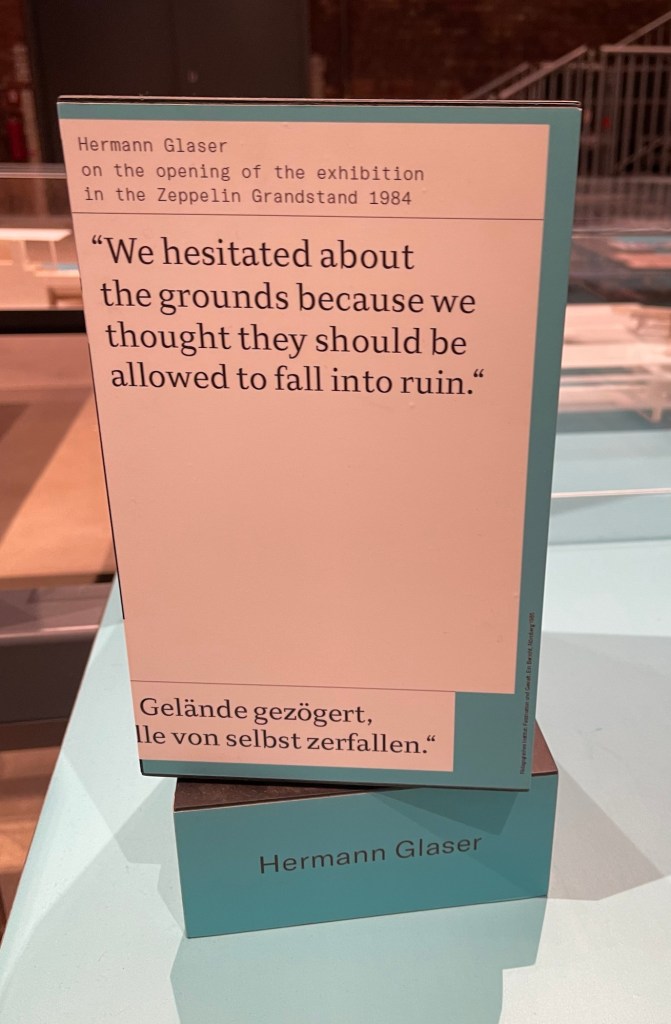
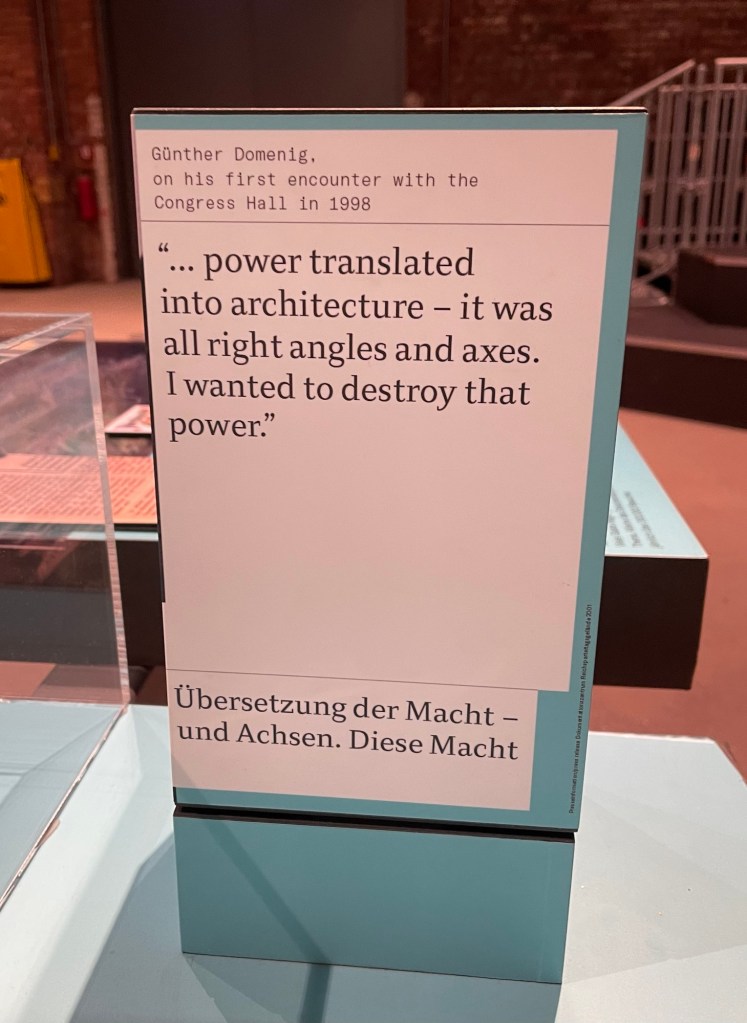
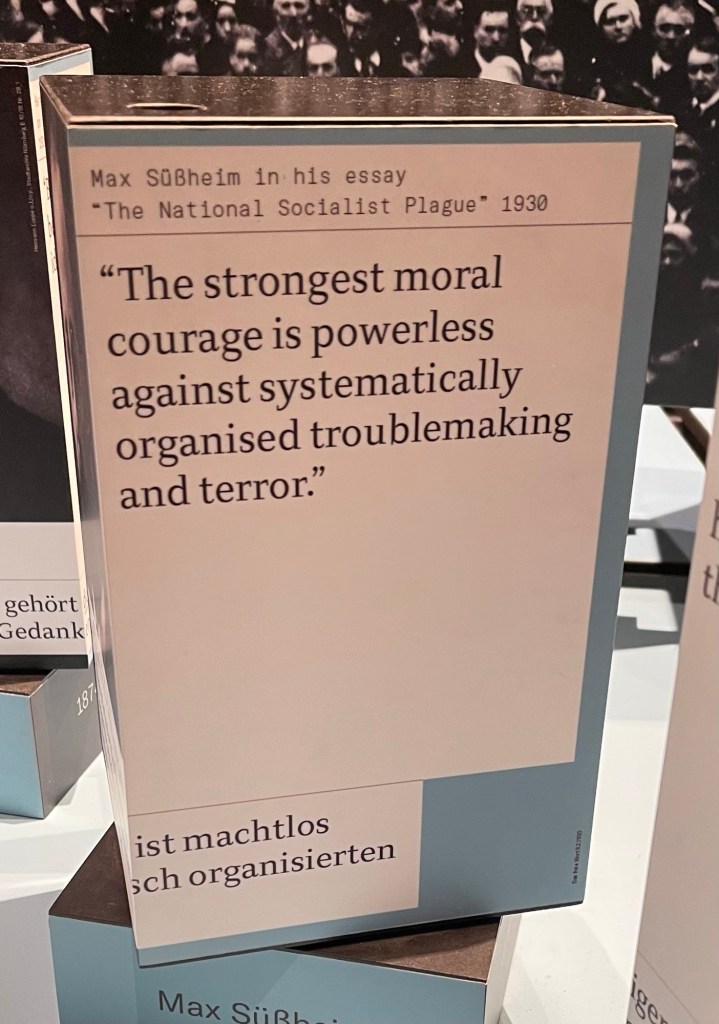
Of course we know people don’t learn. When will they learn that nothing is more important than a human being and that all humans are different. And special. And worthy.
It’s heartbreaking.
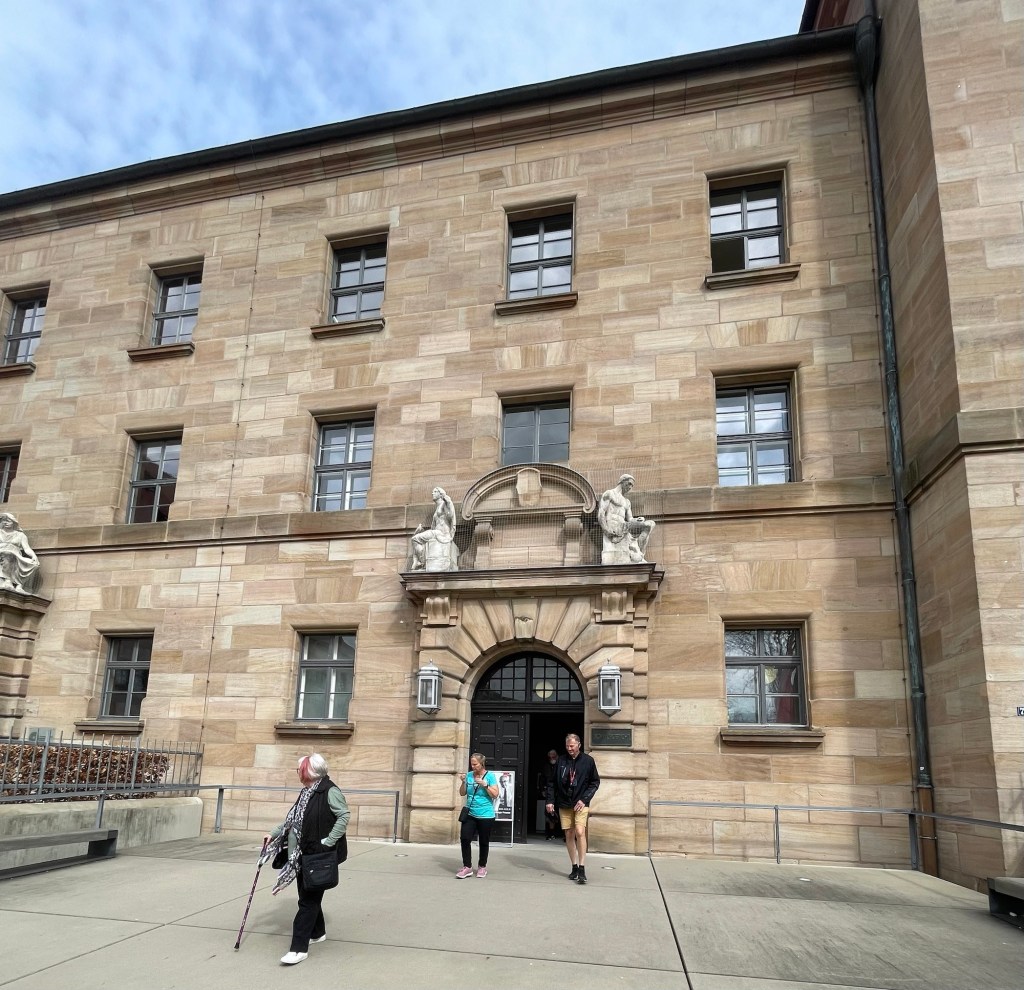
We then headed to the Court House, site of the Nuremberg Trials. Commencing in November 1945, 21 heads of the Nazi regime were put on trial for their crimes against humanity. Courtroom 600 was specially redesigned for the trial, to allow for the mass of people present. Representatives from France, United Kingdom, United States and the Soviet Union held these 21 accountable in that very room. Each country had their own legal team and of course the defendants each had their own team. There was no direct public access but a large amount of media were present. The world needed to know.

The defendants sat on the left hand side of the above picture, behind the rail. The small door ushered them into an elevator which then took them through a tunnel and back to the prison. The curtains and windows were kept closed due to the risk of shooters and the curtains were actually bullet proof.
We did not get to see the permanent exhibition including many documents, sound and video recordings. Our guide instead talked us through the history for about 30 minutes inside Court Room 600. Clearly a historian, he was very knowledgeable although I would have like to have seen some of the documentation and heard the stories.
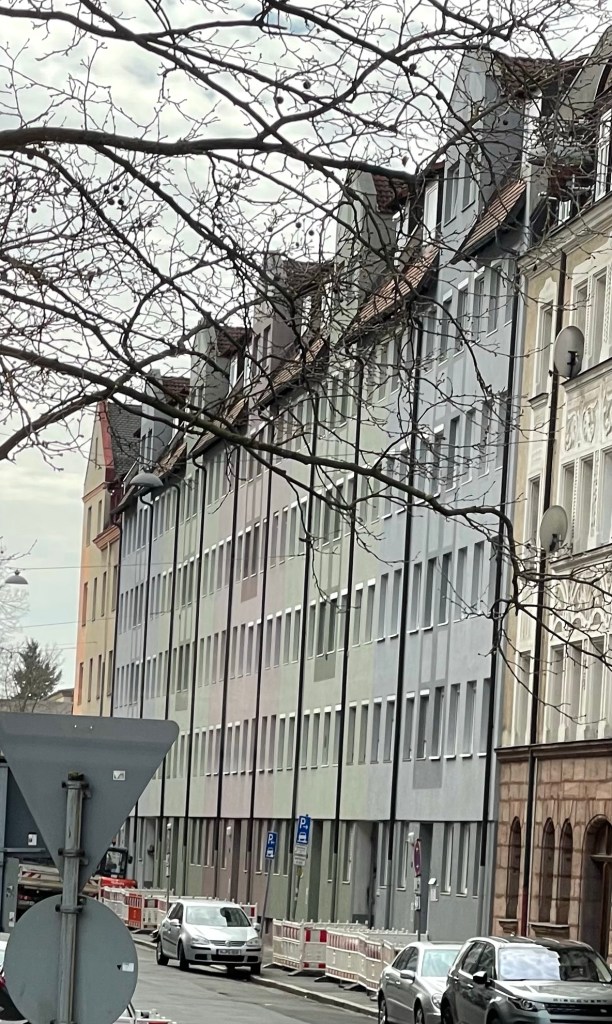
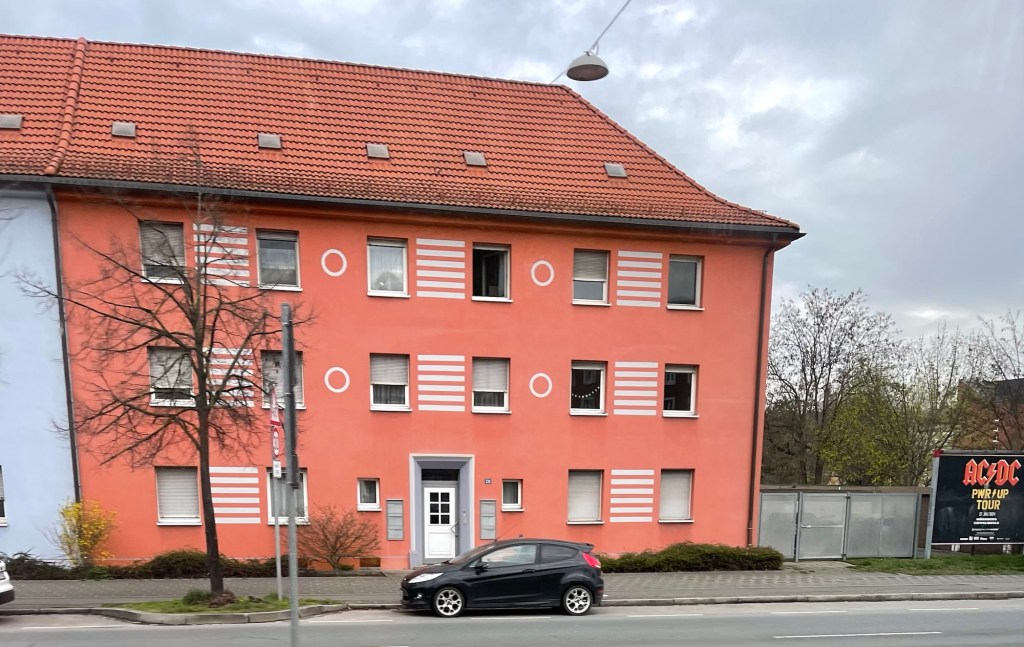
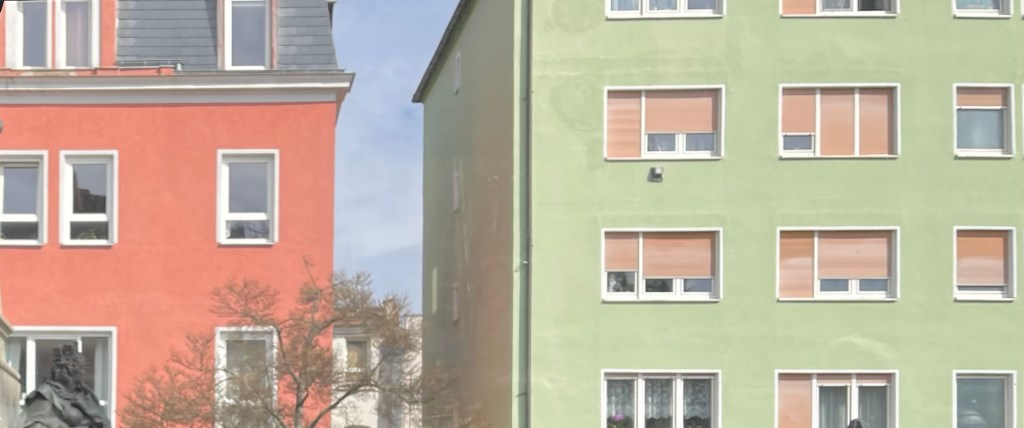
We then headed back to the boat. The city has quite interesting architecture. A lot of the buildings, even the newer ones, have striped colours or are just pretty colours. Makes for a pleasant scene in what would otherwise be similar boxes I guess.


Twas a quiet night, eating our evening meal and then I headed to our cabin.
Hair Wash night. A total chore.
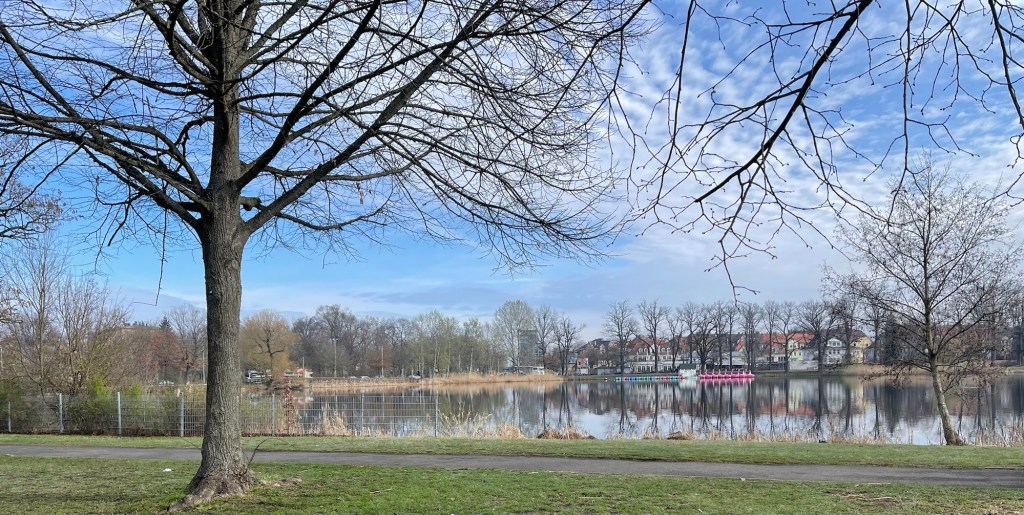
I will leave you with this pretty picture taken from outside the Colosseum.
 MaureenBetty